

We see the same mistakes every week in the showroom. They do not just cost money — they cost you a bike that sits on the balcony after two months. Here are the nine most common, and how to avoid each.
1. Buying a size up “to grow into”
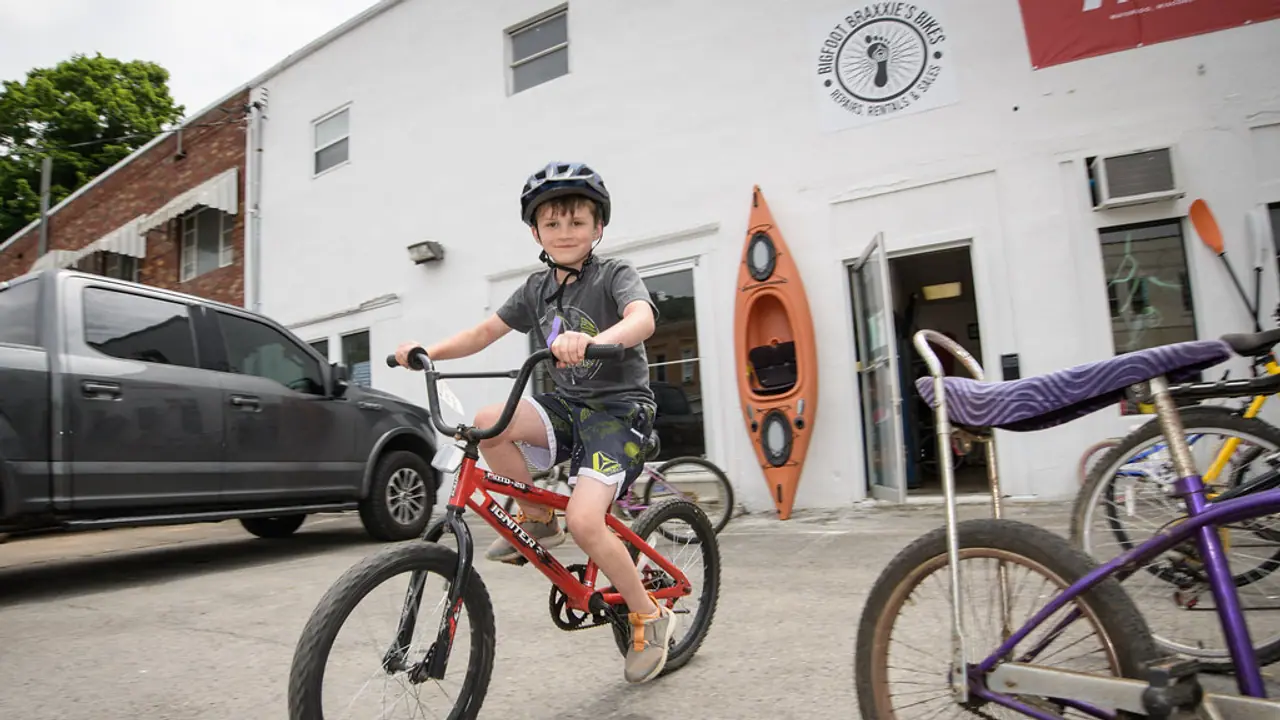
The most dangerous mistake of all, and it happens most with children. A child who cannot touch the ground with the balls of their feet cannot catch themselves when balance goes, and short arms mean a bad angle on the brake lever. The result is more falls and months of fear. The fix: buy the correct size now and use the full saddle adjustment — that usually covers eighteen months.
2. Being dazzled by the gear count
21 speeds is not automatically better than 7. If you ride flat city ground, 7 is plenty and far simpler and cheaper to maintain. Modern performance bikes use 12 speeds from a single front ring — newer and more expensive than a cheap 21-speed.
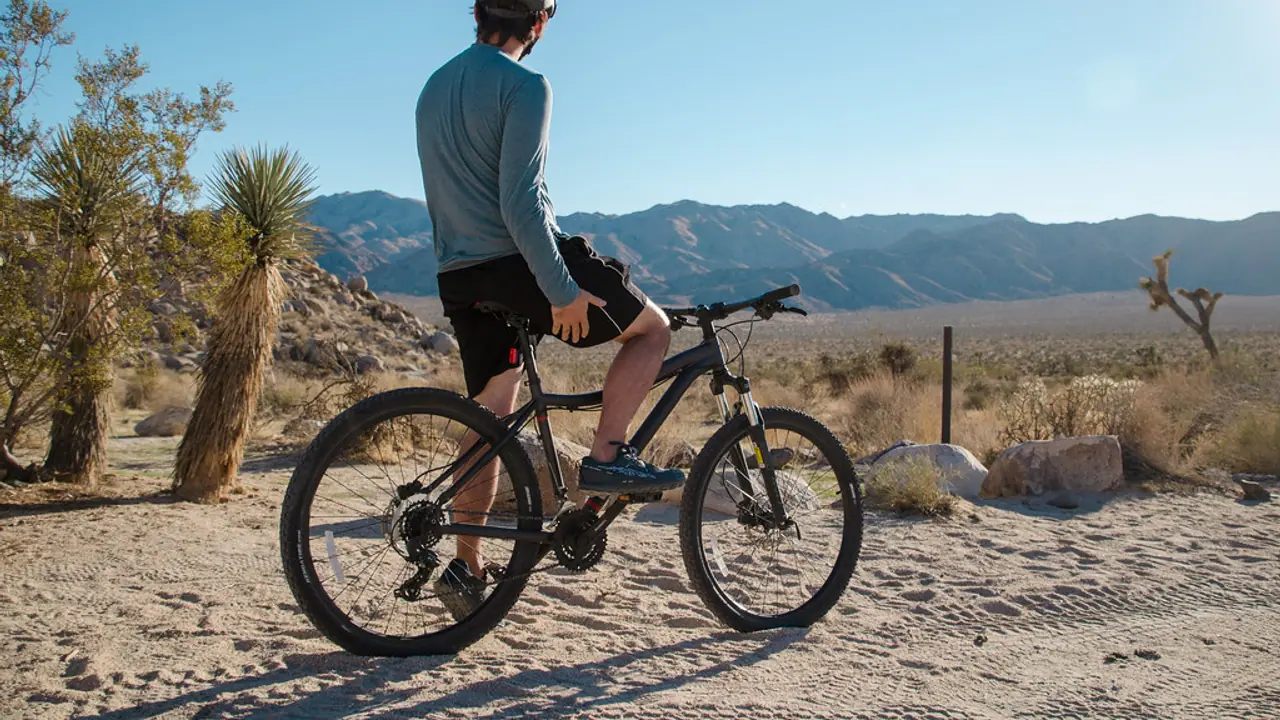
3. Buying a mountain bike for city use
A mountain bike looks tougher, but wide knobby tyres double rolling resistance on tarmac, suspension absorbs part of your pedalling effort, and the extra weight shows on every rise. If 90% of your riding is on streets, a hybrid gives a better experience for less money.
4. Ignoring weight
A 3 kg difference sounds small on paper but you feel it every time you start from a stop, climb a rise or carry the bike up stairs. An alloy frame saves 1.5–2.5 kg over steel, and that usually matters more than the price gap.
5. Not test-riding before buying
Photos and specs will not tell you how the position feels, whether the bar is too far away, or whether the saddle suits your sit bones. Five minutes of actually riding it in the shop reveals things no spec sheet can.
6. Spending the whole budget on the bike
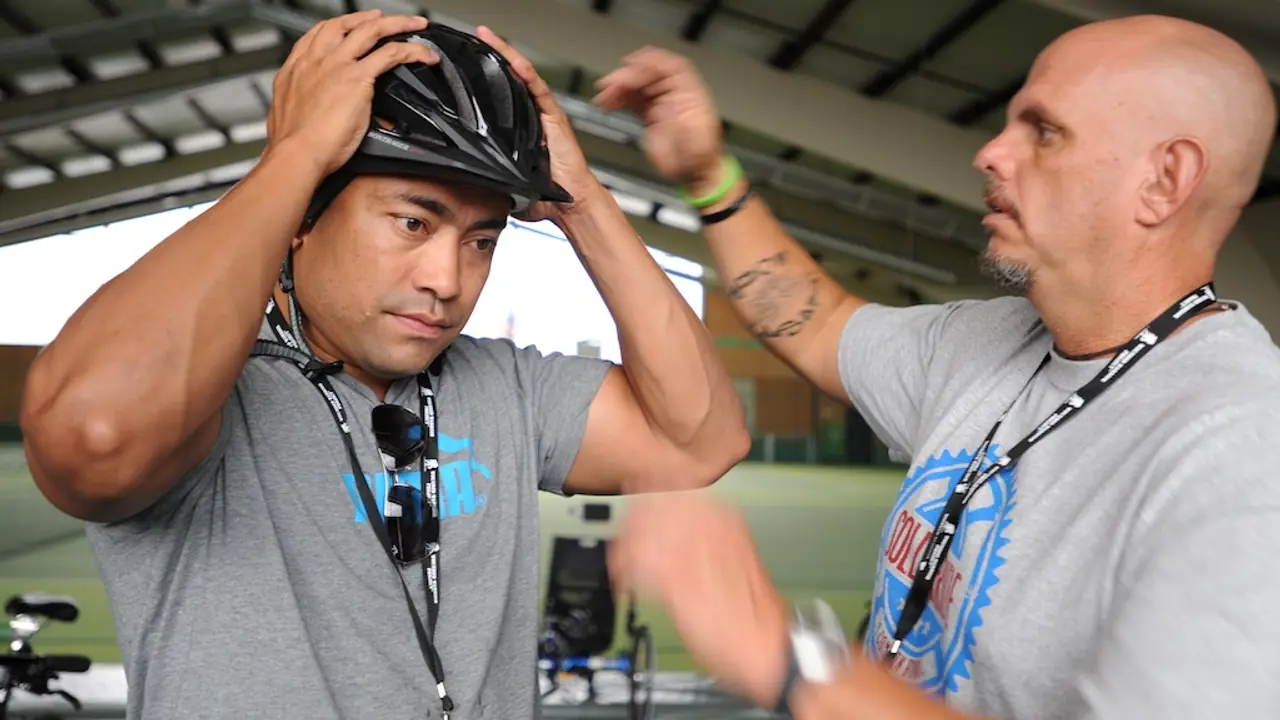
Set aside 10–15% of your budget for a helmet, lights, a lock and a pump. An expensive bike with no helmet is a bad decision, and a bike with no lock is a temporary bike. Better to drop one model tier and buy the essentials.
7. Believing the very cheap one is a bargain
A bike priced far below the market has saved money somewhere that matters: single-wall rims that buckle, weak brakes, unsealed bearings that rust within months, or poor frame welds. True cost = price + servicing + your time. It usually ends up more expensive.
8. Never adjusting the saddle after purchase
Most people ride with the saddle far too low because it feels safer. The result is knee pain, faster fatigue and roughly 20% of your power lost. Five minutes of adjustment transforms the bike — and costs nothing.
9. Buying with no warranty and nowhere to service it
A bike is not a buy-and-forget product — it needs brake and gear adjustment after the first month, wheel truing, and spares. Buy from somewhere with a workshop that answers after the sale. A slightly lower price from a seller who disappears afterwards is no bargain.
New or second hand?
Second hand can be a genuine bargain if you know bikes and can inspect the frame, wheels and chain. If this is your first bike, new is safer: a warranty, a known history, and someone to go back to.
What should I check first?
The size. If the size is wrong, nothing else about the bike matters. Then the brakes, then the wheels (spin them and look for a wobble), then the chain and sprockets.