

The number printed on a bicycle tyre (26 × 1.95, say) looks simple, but it is the single biggest source of confusion in cycling. This article unpacks those numbers, explains the ETRTO standard that settles the matter, and tells you when to choose each size.
The problem: inches are not a precise measurement
A “26 inch” size does not measure the rim — it measures the rough outer diameter of the tyre once inflated. That means a 26 × 1.75 and a 26 × 2.1 could, in some legacy cases, belong on rims of different diameters. This caused real problems for years, until a single standard arrived.
The fix: the ETRTO / ISO standard
ETRTO measures the rim’s bead-seat diameter in millimetres — a fixed number that never shifts. You will find it on the tyre sidewall in a form like “50-559”, meaning a 50 mm wide tyre on a 559 mm rim. The rule is simple: if the second number matches your rim, the tyre fits. If it does not, it will not fit, no matter what “26 inch” is printed beside it.
| Common name | Rim diameter (ETRTO) | Used for |
|---|---|---|
| 12 in | 203 mm | Kids 2–4 and balance bikes |
| 14 in | 254 mm | Kids 3–5 |
| 16 in | 305 mm | Kids 4–6 |
| 18 in | 355 mm | Kids 5–7 (an uncommon size) |
| 20 in | 406 mm | Kids 6–9, BMX, folding bikes |
| 24 in | 507 mm | Kids 8–12 |
| 26 in | 559 mm | Classic mountain and hybrid — the most common in Egypt |
| 27.5 in (650B) | 584 mm | Modern mountain bikes |
| 29 in | 622 mm | Long-distance mountain bikes |
| 700C | 622 mm | Road and fast hybrid — identical diameter to 29 in |
26, 27.5 or 29? The real comparison
| Criterion | 26 in | 27.5 in | 29 in |
|---|---|---|---|
| Acceleration from a stop | Fastest | Middle | Slowest |
| Holding speed | Weakest | Good | Best |
| Rolling over bumps | Weakest | Good | Best |
| Agility in traffic | Best | Good | Weakest |
| Spare part availability in Egypt | Excellent | Good | Moderate |
| Price | Cheapest | Middle | Most expensive |
| Best rider height | Up to 175 cm | 165 – 185 cm | 175 cm and up |
Our practical recommendation for Egypt
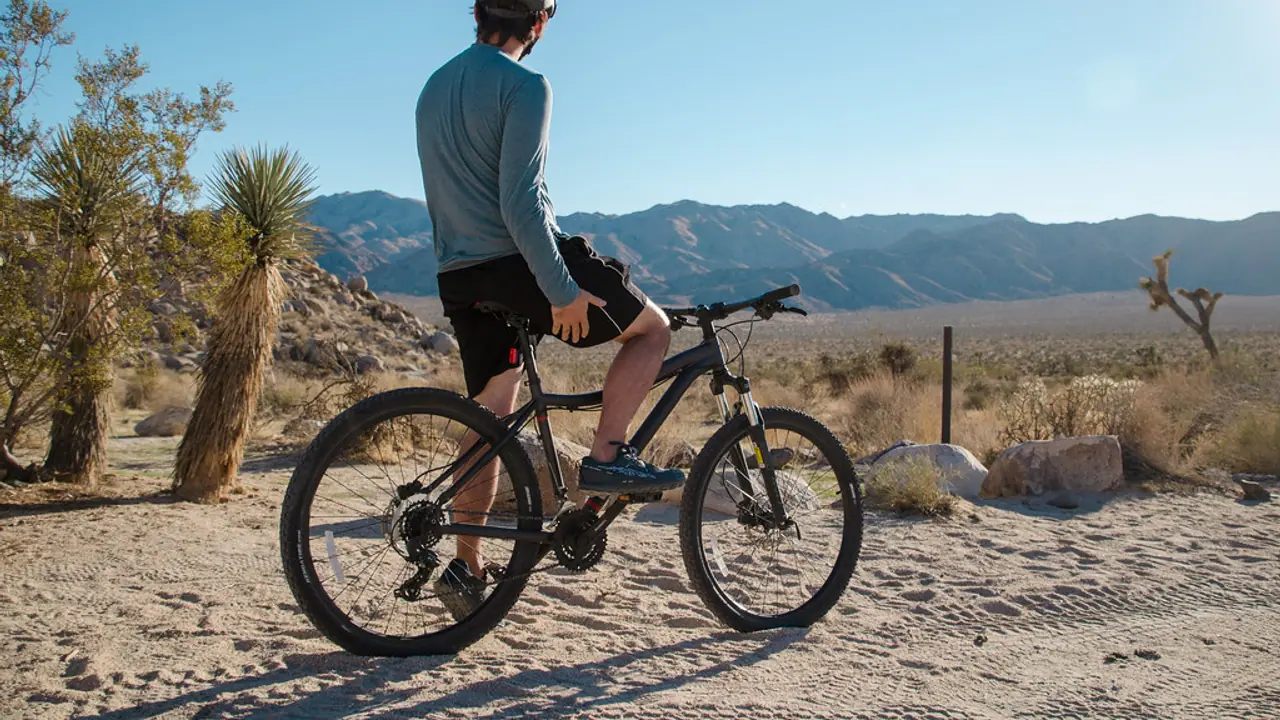
- First bike on a limited budget: 26 inch. Spares are in every shop in every district, and servicing is noticeably cheaper.
- Between 168 and 180 cm and want the best balance: 27.5 inch.
- Over 178 cm and covering long distances on decent roads: 29 inch.
- Riding in busy streets with constant stopping and starting: 26 inch is far more nimble.
Tyre width: the second number nobody notices
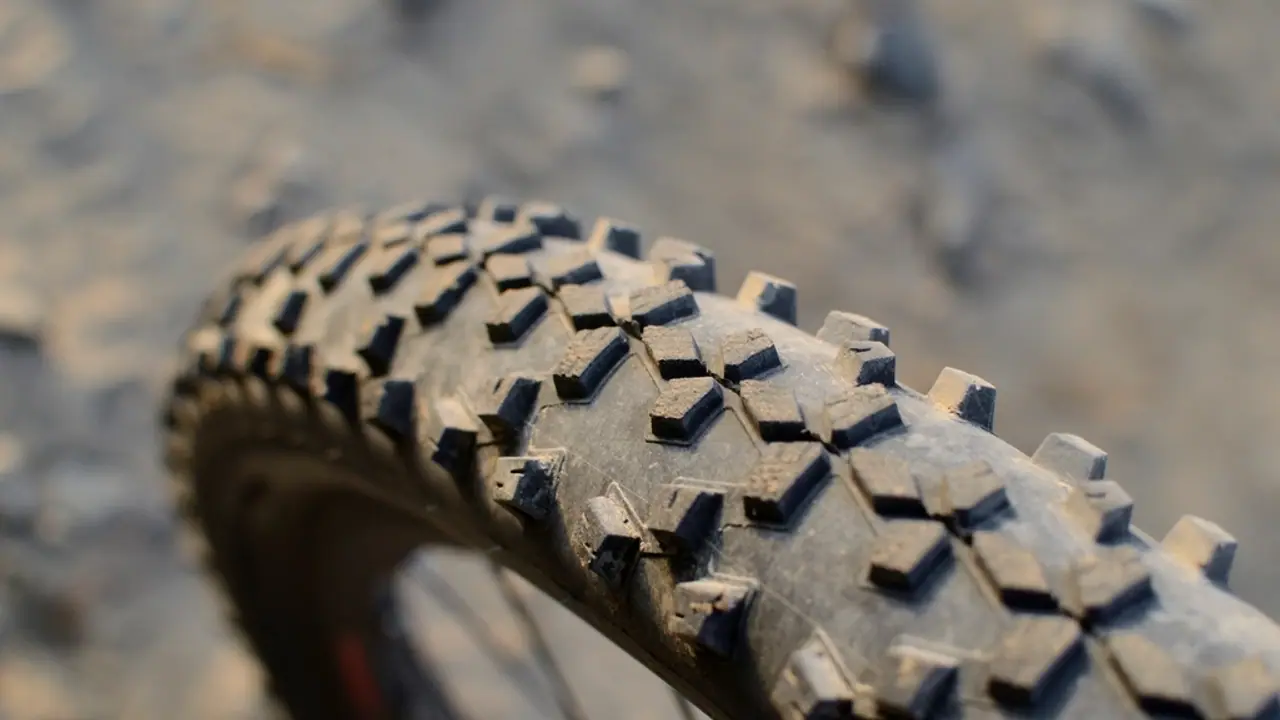
In “26 × 1.95”, the 1.95 is the tyre width in inches. That number affects your comfort more than the rim diameter does: a wider tyre holds more air, so it absorbs bumps better and grips more, at the cost of extra rolling resistance. A narrower tyre is the reverse.
| Use | Suggested width |
|---|---|
| Racing and speed on asphalt | 23 – 28 mm (narrow slick) |
| Daily city riding | 32 – 40 mm (semi-slick) |
| Farm and dirt roads | 1.9 – 2.2 in (knobby) |
| Sand and mud | 2.3 in and wider |
Can I fit 29-inch wheels to a 26-inch bike?
No. The frame and fork are built around a specific diameter — a bigger wheel will not clear, and even if forced it changes the geometry and puts the brakes in the wrong place. Change the bike, not the wheel.
What is the difference between 700C and 28 inch?
There is none — both are 622 mm. “28 inch” is the older European name, “700C” is the French one, and “29 inch” is the modern American name for the same rim wearing a wide tyre.
How much does wheel size affect speed?
Less than people assume. The difference between 26 and 29 inch in speed retention is roughly 2–4% on smooth roads. Tyre width and inflation pressure matter far more than rim diameter.