

Tyre pressure is the cheapest, fastest upgrade you can make to a bike — and the most neglected. The wrong pressure slows you down, tires you out and causes repeat punctures. All the correct numbers are below.
Why pressure matters this much
- Too low: high rolling resistance (you pedal twice as hard), and the tyre squashes against the rim causing a pinch flat — two parallel cuts in the tube.
- Too high: less grip (the tyre skips over bumps instead of absorbing them), a harsh ride, and a risk of blowout in heat.
- Correct: the lowest rolling resistance you can get while keeping grip and comfort.
The pressure chart
| Bike / tyre type | PSI | BAR |
|---|---|---|
| Kids 12 – 16 inch | 25 – 40 | 1.7 – 2.8 |
| Kids 20 – 24 inch | 30 – 50 | 2.1 – 3.4 |
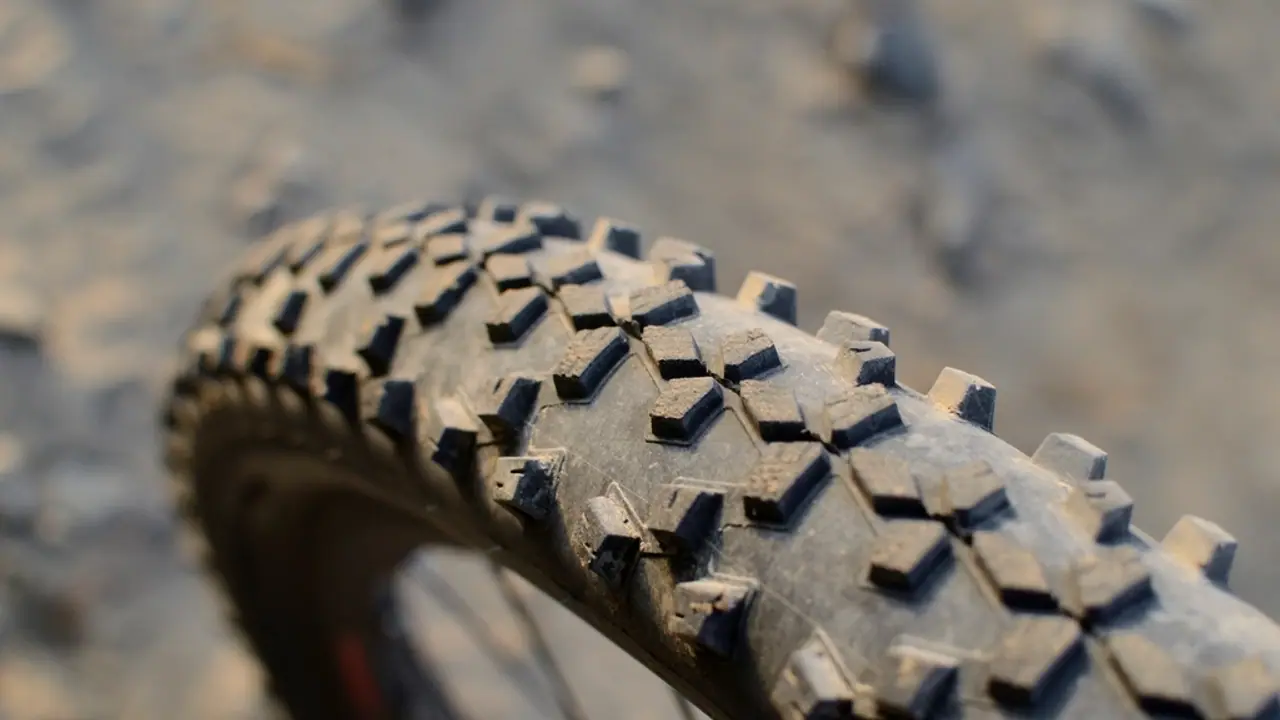
| Mountain, 2.0 inch and wider | 28 – 40 | 1.9 – 2.8 |
| Hybrid, 35 – 42 mm | 50 – 70 | 3.4 – 4.8 |
| Road, 23 – 28 mm | 80 – 110 | 5.5 – 7.6 |
| BMX 20 inch | 40 – 70 | 2.8 – 4.8 |
Rider weight changes the numbers
The rule: inside the range printed on the tyre, a heavier rider takes the upper end and a lighter rider the lower end. Roughly every 10 kg of extra total weight (rider plus luggage) needs about 5 psi more.
| Rider weight | Suggested pressure |
|---|---|
| Under 60 kg | 50 – 55 psi |
| 60 – 75 kg | 55 – 60 psi |
| 75 – 90 kg | 60 – 65 psi |
| Over 90 kg | 65 – 70 psi |
Adjusting for the surface
- Smooth asphalt: the top of the range — least resistance, most speed.
- Farm roads and bumps: drop 5–10 psi for grip and comfort.
- Sand or mud: go to the minimum allowed — a bigger contact patch stops you sinking.
- Extreme heat or long spells parked in the sun: drop 5 psi — heat raises pressure on its own.
How often should I inflate?
Tyres lose air even when the bike is parked, because air seeps through the tube itself. Narrow road tyres lose it faster than wide ones, because the pressure is higher and the volume smaller.
- Road bike: check every 3–5 days.
- Hybrid: check weekly.
- Wide-tyre mountain bike: check every 10–14 days.
- Kids bike: check weekly — children do not notice the difference and just pedal harder without knowing why.
What is the difference between Schrader and Presta valves?
Schrader is the wide, car-style valve found on most mountain, hybrid and kids bikes in Egypt, and any tyre shop can inflate it. Presta is narrow and long with a small lock nut on top, used on road bikes because it handles higher pressure.
My tyre loses air fast — is it punctured?
Losing it within hours means a leak. Losing it over a week or two is completely normal. Losing it in two or three days usually points at the valve itself — a loose lock nut or an old valve core.