
Bike shops sell fifty different accessories, but only four of them are not optional. This article ranks them by genuine priority — from the ones that save your life to the ones that just make riding nicer — with an approximate budget for each tier.
Tier one: the non-negotiables
1. Helmet
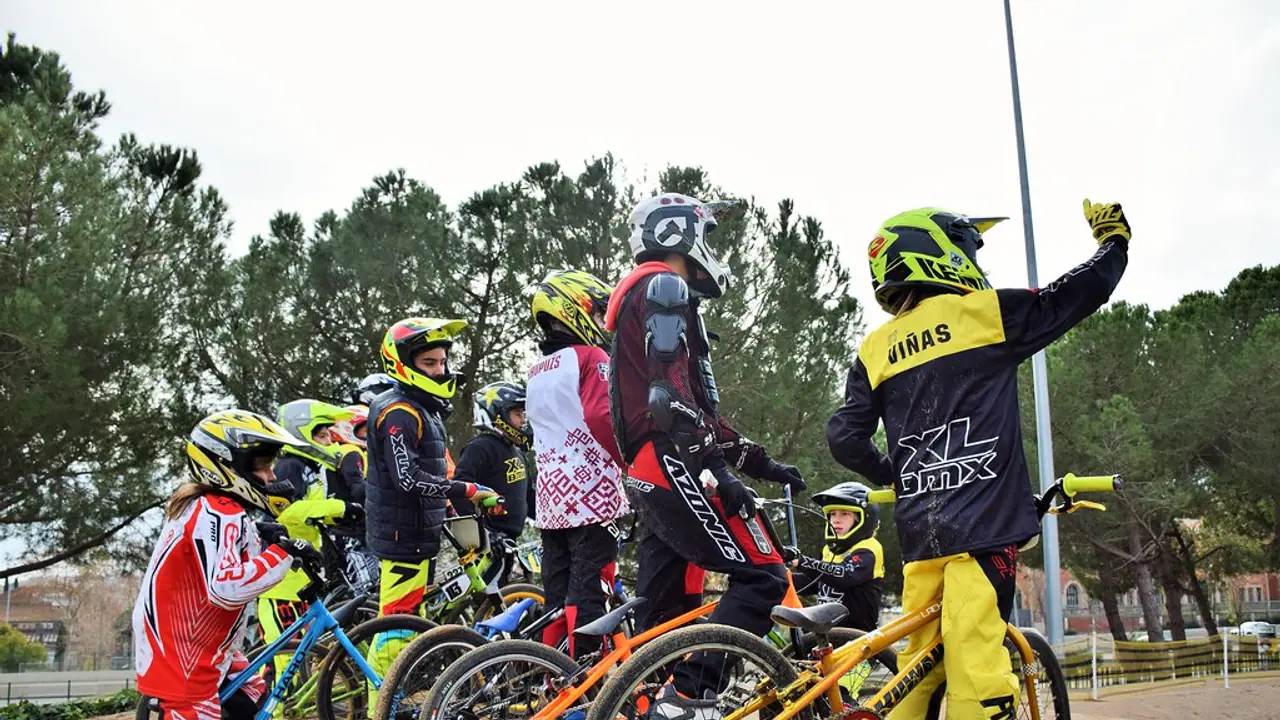
A helmet is the one item that separates an ordinary fall from a head injury. It costs a fraction of the bike and works exactly once in its life — the time you need it. If you buy only one accessory, make it this.
- Sizing: measure your head circumference above the ears. S = 54–56 cm, M = 56–59, L = 59–62.
- Fit: two fingers above the eyebrow, straps forming a V under each ear, one finger between strap and chin.
- Test: shake your head sharply — the helmet should not move on your skull.
- Replace it after any crash even if it looks fine, and the foam degrades after about five years.
2. Lights
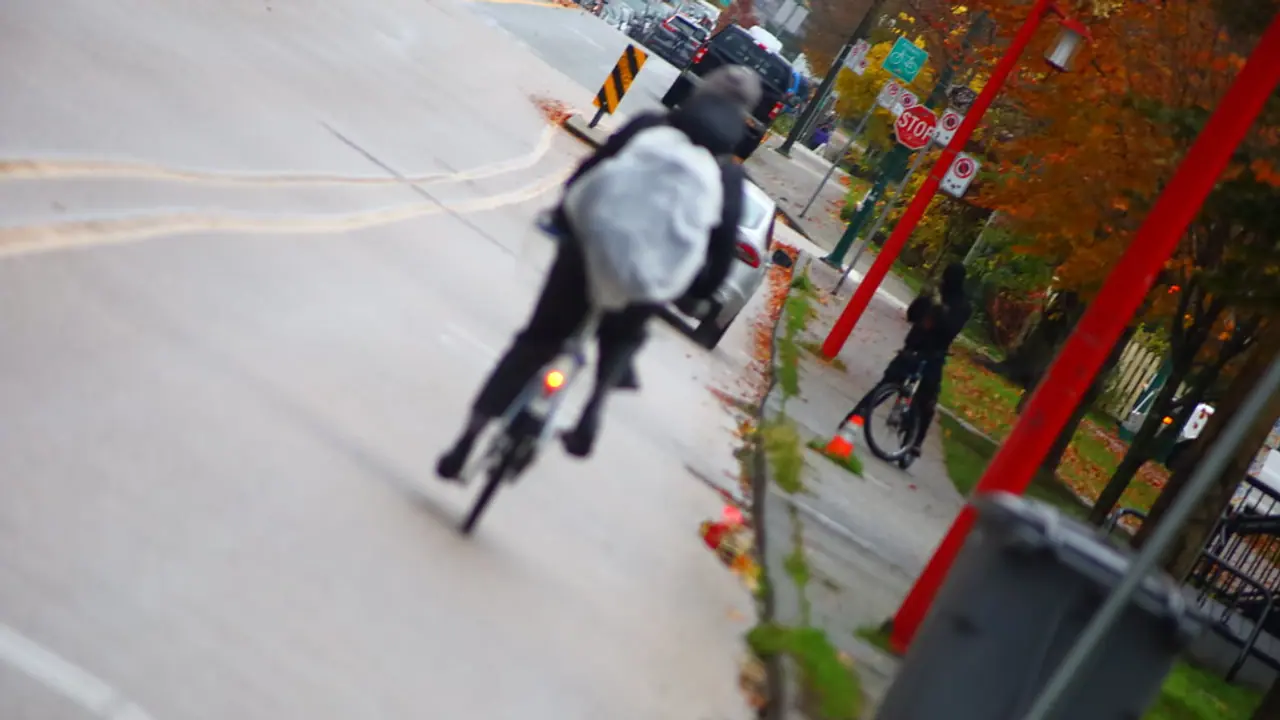
If you will ride after dark even once, lights are essential. A white front light is not only so you can see — it is so you are seen. The red rear light matters even more, because most bike collisions come from behind. A basic battery set is enough for lit streets; for dark farm roads you want a rechargeable light of 400 lumens or more.
3. Bell or horn
The cheapest accessory and the one you use most. Pedestrians in Egypt are not used to hearing a bike coming up behind them, and a bell solves that before it becomes a problem. On very busy streets an electric horn carries far better.
4. Lock
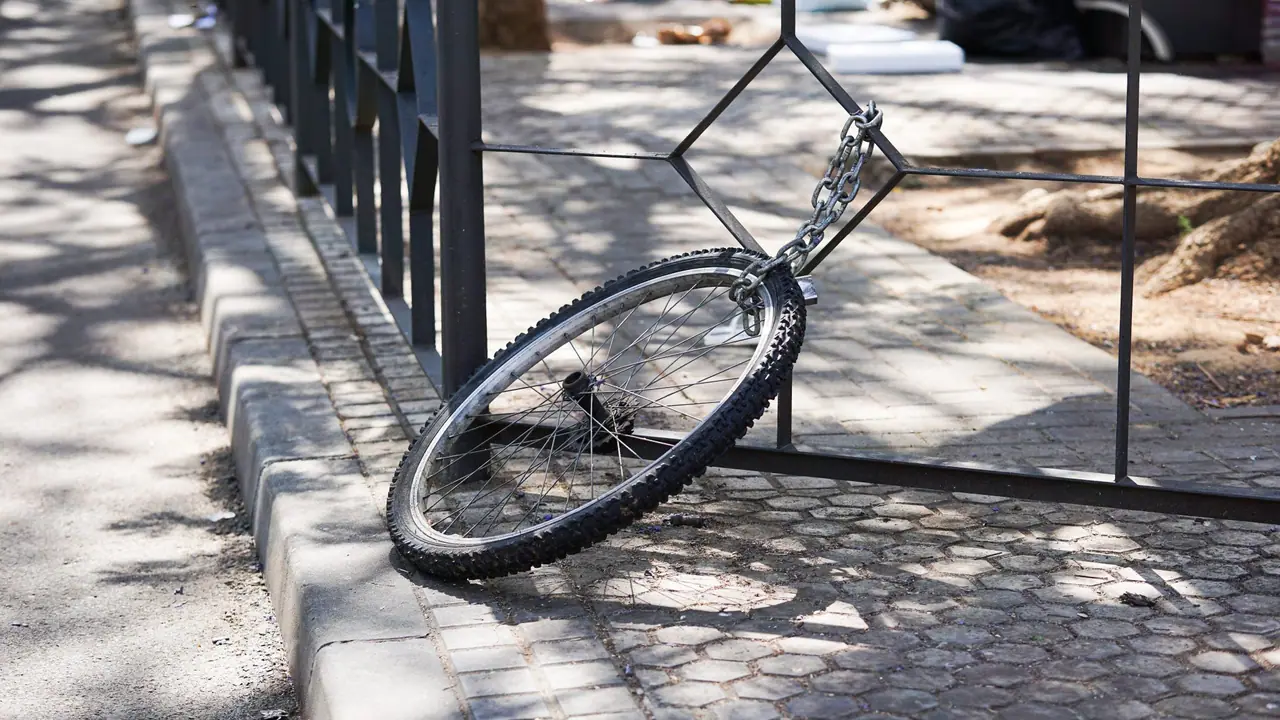
Even if you never leave the bike on the street, you will need it at the supermarket or outside a friend’s house. The general rule is to spend roughly 5–10% of the bike’s price on the lock. A very cheap lock on an expensive bike is a poor investment.
Tier two: important depending on how you ride
| Accessory | You need it if… |
|---|---|
| Floor pump | You own a bike — literally. Tyres lose air on their own every week |
| Puncture repair kit | You ride more than 5 km from home |
| Bottle cage | You ride in summer, or for over half an hour |
| Mudguards | You ride in winter or on freshly irrigated farm roads |
| Rear rack | You carry a bag or shopping |
| Phone mount | You navigate or track your rides |
| Handlebar mirror | You ride in traffic |
Tier three: genuine luxuries
- Gel saddle cover — useful in the first month before your body adapts, but not a permanent fix for the wrong saddle.
- Ergonomic grips — worth it if your hands go numb, not before.
- Pannier bag — excellent if you commute, a luxury otherwise.
- Cycle computer — fun and motivating, but a phone app does the same job free.
Accessories specific to children
- A kids helmet (not a small adult one) — deeper rear coverage, because children fall backwards.
- Knee and elbow pads — essential for the first three months of learning.
- Adjustable training wheels — so you can lower them gradually.
- Spoke reflectors — children ride at unpredictable times and on unpredictable lines.
- A bell — kids love using it, and that makes them safer.
Are helmets a legal requirement in Egypt?
There is currently no law requiring helmets for cyclists in Egypt. That does not change the fact that it is the most important piece of safety equipment you can buy — the law does not protect you, the helmet does.
Floor pump or mini pump?
Both, and each has a job. The floor pump lives at home because it reaches correct pressure quickly and has a gauge. The mini pump lives on the frame for roadside emergencies. If you buy only one, buy the floor pump.
Battery lights or rechargeable?
Battery: cheaper, and fine if you rarely ride at night. Rechargeable: brighter, cheaper over time, and will not strand you mid-ride if you watch the charge level. Riding at night more than twice a week? Take the rechargeable.