

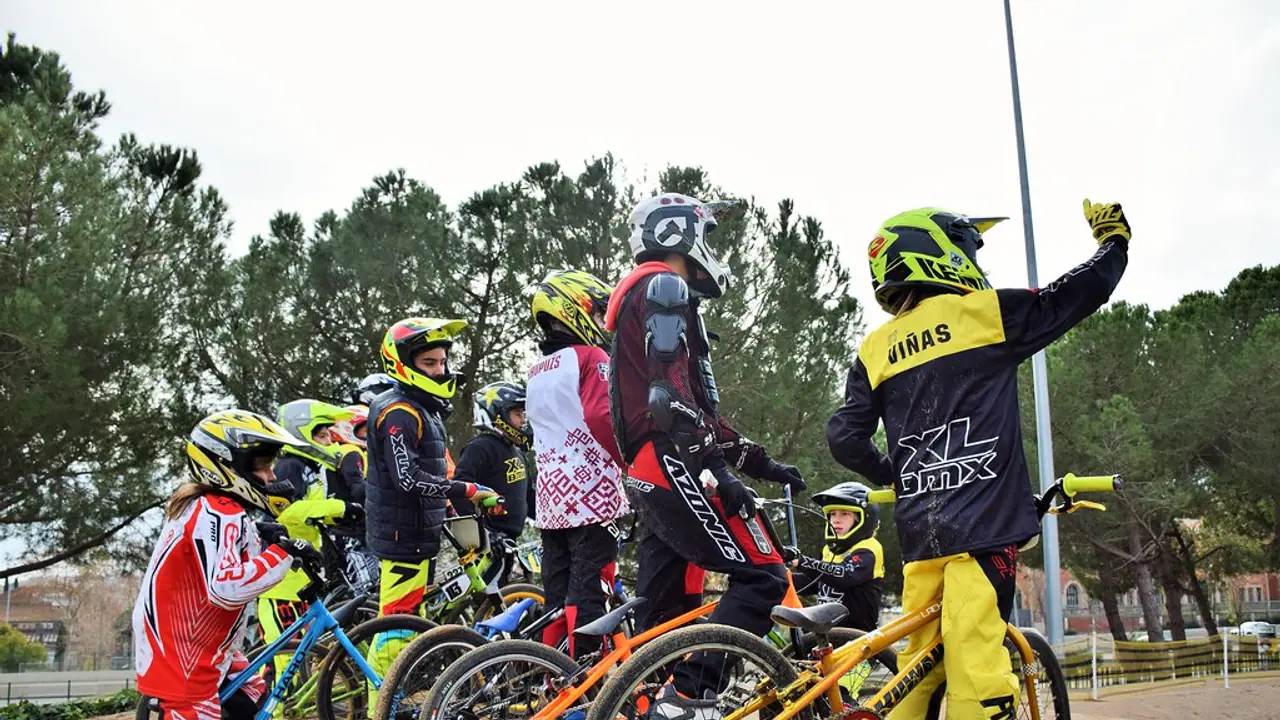
A child taught properly keeps riding for life. A child who has one bad fall in the first week may refuse the bike for a year. This article is about teaching safely, and knowing when they are genuinely ready for the road.
Teaching balance in two days (without training wheels)
The hard skill in cycling is balance, not pedalling — and training wheels postpone learning balance rather than teaching it. The method we recommend temporarily removes the pedals and turns the bike into a balance bike.
- 1.Remove the pedals and lower the saddle until they can put both feet flat on the ground while seated.
- 2.Let them walk the bike along while sitting on it, somewhere flat and open — half an hour is enough.
- 3.Encourage harder pushes and lifting the feet for a few seconds. Repeat until they can glide balanced for five seconds.
- 4.Refit the pedals and raise the saddle slightly. They will usually pedal away on the first attempt.
- 5.Do not hold the saddle or the bars while they roll — hold their shoulder if you must. Holding the bike stops them feeling the balance.
Getting the helmet fit right
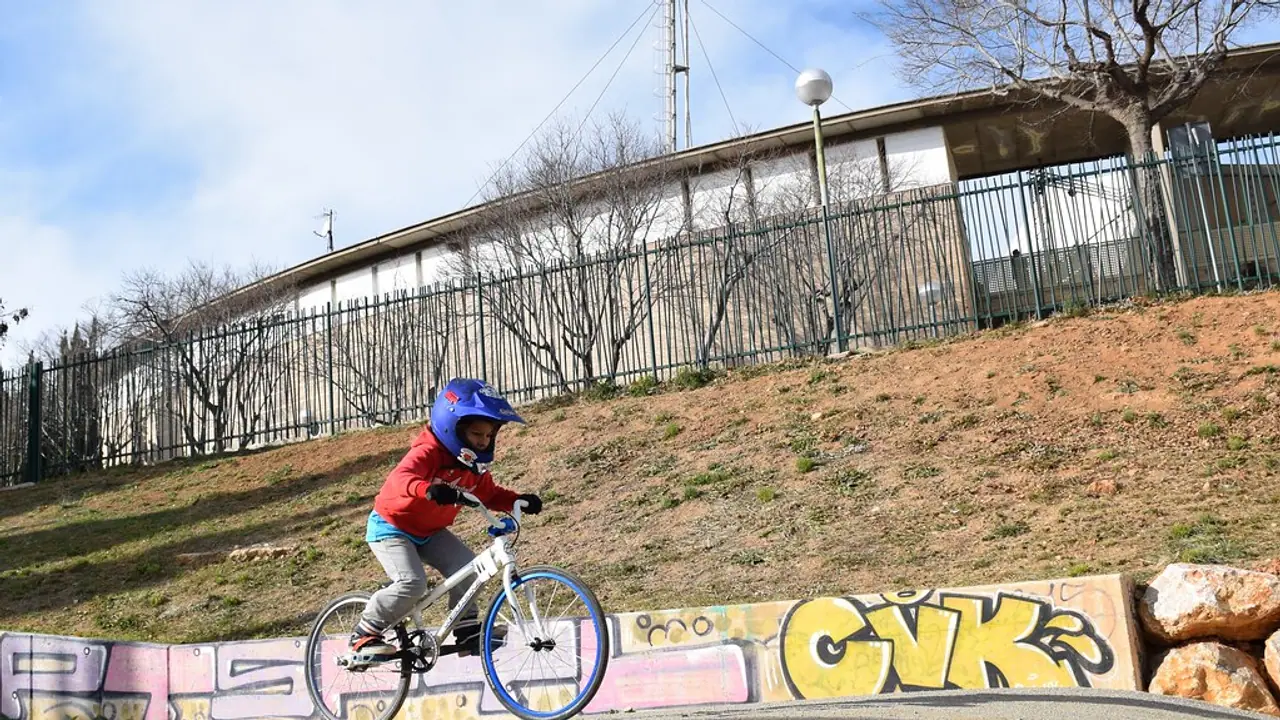
A badly fitted helmet gives false confidence. Most helmets we see on children are tipped back, which leaves the forehead completely exposed — the very area most likely to hit something.
- Position: two fingers above the eyebrow, sitting level rather than tipped back.
- Straps: forming a V exactly under each ear.
- Chin strap: one finger fits between it and the chin — no more.
- Test one: have them open their mouth wide — they should feel the helmet pull down slightly.
- Test two: shake their head sharply — the helmet should not move.
When are they ready for the road?
There is no fixed age, but there are skills that must be in place. Most children are not ready for roads with traffic before about nine or ten — not because they cannot ride, but because the ability to judge vehicle speed and distance develops late.
- They can brake and stop at a point you name.
- They can hold a straight line without weaving.
- They can look behind without steering off line.
- They understand basic traffic signals and stop at junctions.
- They follow your instructions immediately while you ride behind them.
A suggested progression of places
| Stage | Suitable place |
|---|---|
| First two weeks | A park or an empty, flat open space |
| First three months | A very quiet internal street under direct supervision |
| After six months | Residential side streets with an adult riding behind |
| 9+ with all skills | Side streets alone, over short familiar routes |
| 12+ | Wider roads, with traffic rules taught systematically |
Safety gear for children
- A kids helmet — mandatory from day one, even in the park.
- Knee and elbow pads — at least for the first three months; they cut the fear of falling a lot.
- Lights and reflectors — children lose track of time and come home after sunset.
- Close-fitting clothing — avoid loose robes and long drawstrings that can catch in the chain.
- Closed shoes with laces tied — sandals are a very common cause of foot injuries.
My child is scared after a fall — what now?
Do not push. Take a step back: remove the pedals and let them scoot on flat, safe ground for a week. Once confidence returns, refit the pedals. Pushing at this stage multiplies how long the fear lasts.
Are training wheels good or bad?
Not bad, but they teach a different skill. Training wheels teach pedalling and steering, but prevent learning balance — which the child must learn later anyway. Balance first, pedals second is the faster route.
From what age can I carry my child on a rear seat?
Once they can sit steadily and support their own head and neck — usually from about 12 months. A helmet is mandatory for the passenger too, and the usual limit is 22 kg.